
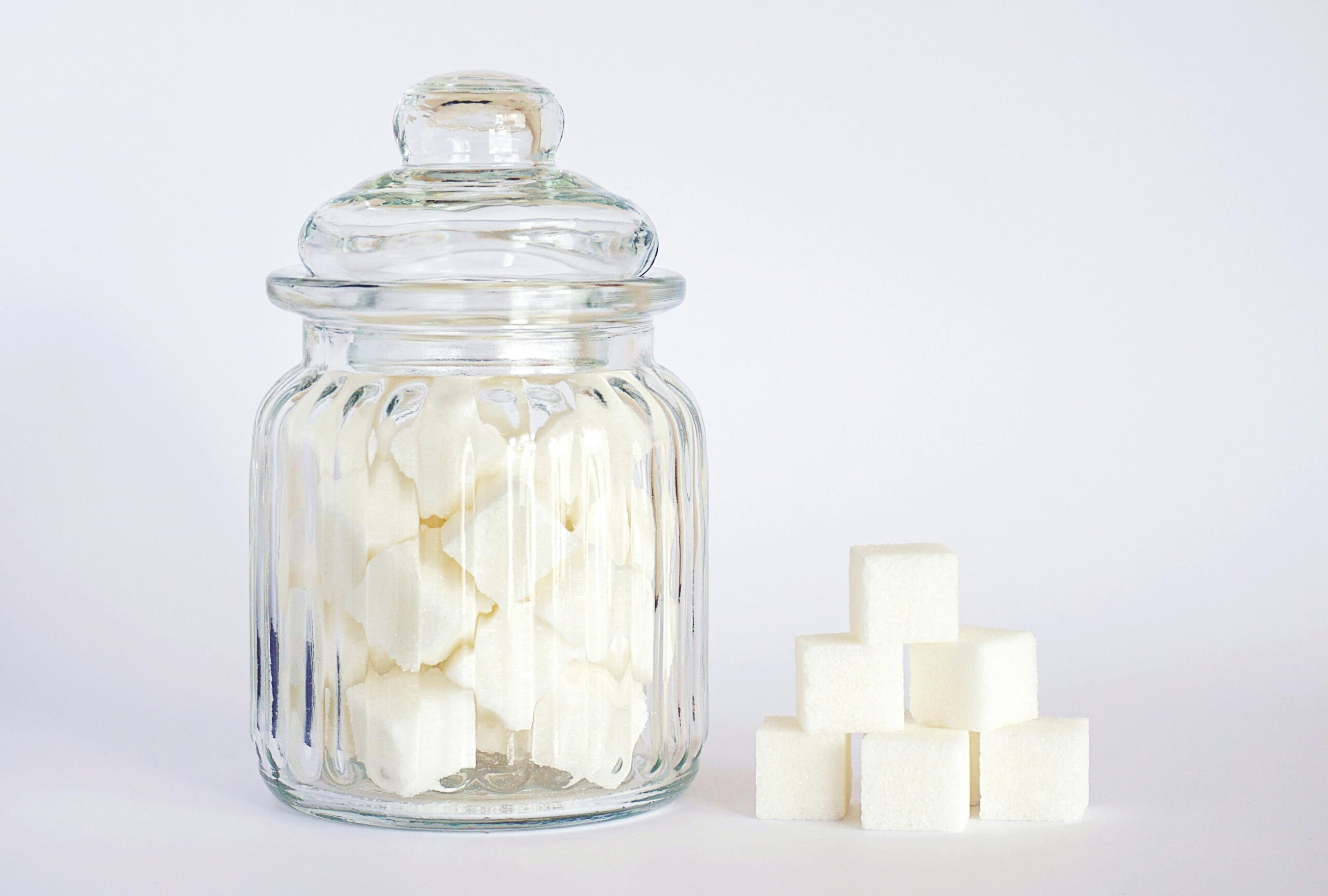
Sugar has become a staple in the modern American diet. From soft drinks to breakfast cereals, it often hides in foods we don’t consider sweet. While our bodies need natural sugars found in whole fruits and dairy, the overconsumption of added sugar has become a major health concern in the United States. In this article, we’ll explore the reality of sugar intake in the USA, its health risks, where hidden sugars lurk, and practical ways to reduce added sugar in your daily diet.
How Much Sugar Do Americans Consume?
According to the Centers for Disease Control and Prevention (CDC), the average American adult consumes about 17 teaspoons (68 grams) of added sugar per day. This far exceeds the recommended limit set by health authorities.
The American Heart Association (AHA) recommends:
-
Men: No more than 9 teaspoons (36 grams) of added sugar per day
-
Women: No more than 6 teaspoons (25 grams) of added sugar per day
This means many Americans are consuming nearly twice or even three times the recommended daily limit, often without realizing it.
Why Too Much Sugar is Harmful
High levels of added sugar in the diet are linked to numerous health risks. Consuming excess sugar regularly can contribute to:
-
Obesity: Added sugar increases calorie intake without providing nutrients. This can lead to weight gain over time.
-
Type 2 Diabetes: A high-sugar diet can contribute to insulin resistance, increasing the risk of developing diabetes.
-
Heart Disease: Excess sugar consumption is associated with higher levels of triglycerides, inflammation, and high blood pressure, all of which raise the risk of heart disease.
-
Dental Problems: Sugar fuels the bacteria that cause tooth decay and cavities.
-
Fatty Liver Disease: Sugary foods, particularly those containing high-fructose corn syrup, can contribute to the accumulation of fat in the liver.
These risks highlight why it is essential to monitor sugar intake and make informed dietary choices.
Hidden Sources of Added Sugar in the American Diet
Added sugars are not just in desserts and candy. Many everyday foods contain surprising amounts of added sugar. Common hidden sources include:
-
Breakfast cereals and granola
-
Flavored yogurts
-
Bread and hamburger buns
-
Tomato sauces and ketchup
-
Salad dressings
-
Packaged soups
-
Ready-made smoothies and coffee drinks
-
Energy bars and protein bars
-
Sports drinks and flavored waters
Always check the ingredient list. Added sugars may be listed under names like corn syrup, cane sugar, fructose, dextrose, molasses, and agave nectar.
How to Reduce Added Sugar Intake
Reducing added sugar doesn’t mean eliminating sweetness from your diet altogether. It’s about making smarter choices that support long-term health. Here are practical strategies:
1. Read Nutrition Labels
Look for “added sugars” on the Nutrition Facts label. This can help you identify foods with high levels of added sugar so you can choose lower-sugar alternatives.
2. Choose Unsweetened Versions
Opt for unsweetened or lightly sweetened versions of foods like yogurt, plant-based milk, oatmeal, and nut butters.
3. Cook More at Home
Homemade meals allow you to control what goes into your food, including how much (if any) sugar is added. Preparing your own salad dressings, sauces, and snacks can significantly reduce hidden sugars in your diet.
4. Cut Back on Sugary Drinks
Sugary beverages are one of the largest sources of added sugar in the American diet. Replace soda, sweetened coffee drinks, and energy drinks with water, sparkling water, or unsweetened tea.
5. Gradually Reduce Sugar
If you’re used to sweet coffee or tea, reduce the sugar bit by bit over time to adjust your taste buds. The same goes for other foods — gradually decreasing sugar helps prevent cravings and makes it easier to stick to healthier habits.
6. Add Natural Sweetness
Use whole fruits or small amounts of spices like cinnamon or vanilla to add flavor without added sugar. For example, sliced banana or berries can sweeten oatmeal naturally.
Easy Swaps to Lower Sugar
Here are simple substitutions that can help cut back on sugar:
-
Swap sweetened breakfast cereal for plain oatmeal topped with fresh fruit.
-
Replace flavored yogurt with plain Greek yogurt and add your own fruit.
-
Choose whole fruit over fruit juice or fruit snacks.
-
Make your own salad dressing using olive oil, vinegar, and herbs instead of store-bought versions.
-
Snack on nuts, seeds, or air-popped popcorn instead of candy or granola bars.
Final Thoughts
Understanding the truth about sugar intake in the USA is the first step toward making healthier choices. Excess added sugar in the American diet contributes to serious health risks, but small changes can make a big difference. By becoming aware of hidden sugars, reading labels, and making simple swaps, you can reduce sugar consumption and support long-term wellness.
h5