
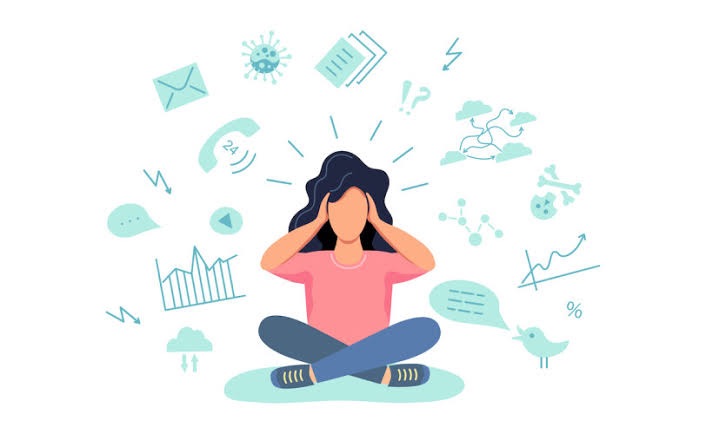
In our hyper-connected world, the lines between work and personal life, day and night, have blurred into an indistinguishable haze. From incessant email notifications to the constant pull of social media, many of us find ourselves trapped in an unrelenting cycle of availability. This pervasive phenomenon, often referred to as the always-on overload, is taking a significant toll on our mental, emotional, and physical health, eroding our capacity for genuine rest and meaningful real-world interactions. It’s a silent epidemic of digital fatigue, leaving us feeling drained, anxious, and perpetually behind.
But it doesn’t have to be this way. Reclaiming your rest and safeguarding your well-being in an “always-on” society isn’t just a luxury; it’s a necessity for a balanced, healthy, and fulfilling life. This post will explore the depths of this modern dilemma and provide actionable strategies to help you disconnect, recharge, and rediscover the joy of simply being present.
The Pervasive Nature of the “Always-On” Culture
The digital revolution promised unparalleled convenience and connectivity, and it certainly delivered. However, it also ushered in an unspoken expectation: the need to be constantly available, responsive, and engaged. Smartphones have become extensions of ourselves, tethering us to our inboxes, news feeds, and communication apps 24/7. Work emails arrive at midnight, social media pings demand instant gratification, and the fear of missing out (FOMO) keeps us scrolling long after we should have logged off.
This culture is fueled by instant messaging, collaborative platforms, and the global nature of business, making it feel almost impossible to truly “switch off.” We are conditioned to respond quickly, to check our devices habitually, and to equate constant activity with productivity. The result? A collective state of digital exhaustion, where true relaxation becomes a rare luxury and the feeling of being perpetually overwhelmed is the norm. The impacts of this constant immersion extend far beyond just feeling tired; they penetrate the very core of our well-being.
Understanding the Impact of Constant Connectivity
The cumulative effect of living with an “always-on” mentality is far-reaching, affecting every facet of our lives. It’s not just about spending too much time on screens; it’s about the underlying stress, pressure, and fractured attention that comes with it. Addressing this requires an understanding of its multifaceted consequences.
Mental and Emotional Toll
- Increased Stress and Anxiety: The constant influx of information and the pressure to respond immediately can elevate cortisol levels, leading to chronic stress, anxiety disorders, and even panic attacks. The blurred boundaries between work and home mean the mind is rarely truly at rest.
- Reduced Focus and Productivity: While we might feel busy, constant context-switching between tasks, notifications, and social media severely impairs our ability to concentrate deeply. This fragmented attention often leads to reduced quality of work and a feeling of being perpetually overwhelmed, despite working longer hours.
- FOMO and Social Comparison: The curated highlight reels on social media foster a sense of inadequacy and the fear of missing out on experiences. This constant comparison erodes self-esteem and fuels a relentless desire to keep up, perpetuating the cycle of connectivity.
- Burnout: Prolonged exposure to high levels of stress and the inability to disconnect inevitably lead to burnout, characterized by emotional exhaustion, cynicism, and a reduced sense of personal accomplishment.
Physical Ramifications
- Sleep Disruption: Blue light emitted from screens suppresses melatonin production, making it harder to fall asleep. The mental stimulation from checking devices before bed also keeps the brain active, leading to restless nights and chronic sleep deprivation.
- Eye Strain and Headaches: Prolonged screen time contributes to digital eye strain (DES), causing dry eyes, blurred vision, and headaches. Poor posture adopted while using devices can also lead to neck and back pain.
- Sedentary Lifestyle: More time spent connected often means less time spent moving. This sedentary behavior increases the risk of obesity, cardiovascular disease, and other chronic health issues.
Eroding Real-World Connections
- Less In-Person Interaction: The convenience of digital communication often replaces face-to-face interactions. While digital connections are valuable, they lack the depth, nuance, and emotional resonance of in-person relationships.
- Impact on Relationships: Constant device checking during conversations sends a clear message of disinterest, eroding trust and intimacy in personal relationships. Families might be together physically but separated by their individual screens.
- Diminished Presence: Being “always-on” means we’re rarely fully present in our immediate environment or with the people around us. We miss out on the subtleties of life and the richness of authentic human connection.
Strategies for Reclaiming Your Rest and Well-Being
Breaking free from the grip of the always-on culture requires intentional effort and a commitment to setting new boundaries. It’s about consciously choosing to disconnect to truly reconnect with yourself and your surroundings. Here are practical strategies to help you reclaim your rest and real-world well-being:
Set Clear Digital Boundaries
- Designate “Unplugged” Times: Establish specific hours each day when you completely disconnect from non-essential digital devices. This might be an hour before bed, during meals, or immediately upon waking. Make your bedroom a “no-phone zone.”
- Define Work-Life Separation: If possible, create a clear end-time for your workday and stick to it. Turn off work notifications and resist the urge to check emails outside of work hours. Communicate these boundaries to colleagues and clients.
- Manage Notifications: Turn off non-essential notifications for apps that aren’t critical. Batch-check emails and social media instead of allowing constant pings to interrupt your focus. Consider using “Do Not Disturb” modes.
Practice Intentional Digital Detox
- Weekend Breaks or Digital Sabbats: Dedicate one day a week or even a full weekend to completely unplugging. Engage in activities that don’t involve screens, like hiking, reading a physical book, or spending time with loved ones.
- Mindful Screen Time: Before picking up your phone, ask yourself: “Why am I doing this? What am I hoping to achieve?” Be intentional about your usage, rather than mindlessly scrolling.
- Create “No-Phone Zones”: Designate certain areas in your home (e.g., dining table, living room) as device-free zones to encourage family interaction and presence.
Prioritize Self-Care and Mindfulness
- Regular Breaks: Integrate short, purposeful breaks into your day. Step away from your desk, stretch, or take a short walk to give your eyes and mind a rest.
- Mindfulness Exercises: Practice meditation, deep breathing, or simple mindfulness techniques to ground yourself in the present moment. Even a few minutes a day can significantly reduce stress.
- Hobbies Away from Screens: Re-engage with old hobbies or discover new ones that don’t involve digital devices. This could be gardening, painting, playing an instrument, or anything that brings you joy and engages your hands and mind offline.
Cultivate Real-World Connections
- Schedule In-Person Meetups: Make a conscious effort to schedule time with friends and family face-to-face. Prioritize real conversations over text messages.
- Engage in Community Activities: Join a local club, volunteer group, or sports team. These activities naturally foster real-world interactions and a sense of belonging.
- Focus on the Present Moment: When you are with others, put your phone away and give them your full, undivided attention. Practice active listening and truly engage in the conversation.
Building a Sustainable Path to Balance
Overcoming the always-on overload isn’t an overnight fix; it’s a gradual process of building new habits and dismantling old ones. Start with small, consistent steps. Perhaps it’s putting your phone away during dinner tonight, or committing to an hour of no-screen time every morning. Be kind to yourself if you slip up – the goal is progress, not perfection.
The long-term benefits of reducing your digital dependence are immense: improved sleep, reduced anxiety, enhanced focus, stronger relationships, and a profound sense of peace. You’ll find yourself more present in your life, more engaged with your surroundings, and ultimately, healthier and happier. Reclaiming your rest means reclaiming your life from the demands of constant connectivity.
Remember, technology is a tool, and like any tool, its power lies in how we choose to wield it. By intentionally managing your digital life, you can mitigate the negative effects of the always-on overload and create a life that truly prioritizes your well-being, allowing you to flourish in the real world.