
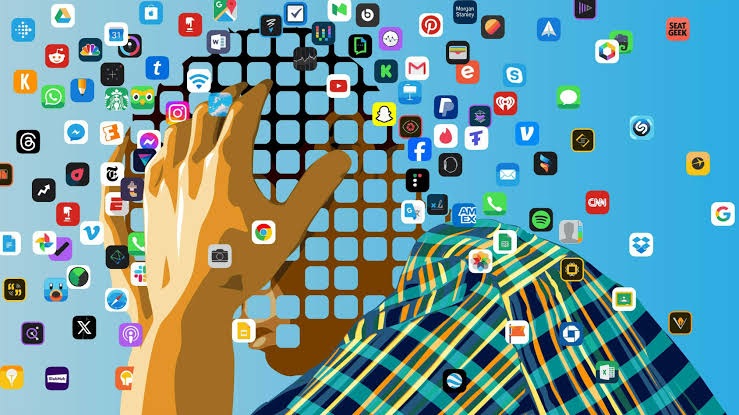
In our hyper-connected world, the lines between work and leisure, and even between wakefulness and sleep, have blurred into a perpetual digital hum. We live in an era where constant notifications, endless information feeds, and the expectation of instant responses keep us perpetually tethered to our devices. While technology offers undeniable benefits, this relentless connectivity has inadvertently created a phenomenon: the always-on nervous system. For many, this isn’t just a metaphor; it’s a physiological reality with significant consequences for our health and well-being. This blog post will explore how digital overload impacts our core biology and, more importantly, how we can strategically hit reset to reclaim our real health.
Understanding Your Always-On Nervous System in the Digital Age
To grasp the concept of an always-on nervous system, we need to understand the autonomic nervous system (ANS). The ANS is the control center for involuntary bodily functions, quietly managing everything from our heart rate and digestion to our breathing. It operates through two main branches:
- The Sympathetic Nervous System (SNS): Often called the “fight-or-flight” response. It kicks in when we perceive a threat, real or imagined, flooding our bodies with stress hormones like adrenaline and cortisol. Our heart rate quickens, senses sharpen, and digestion slows down – preparing us to act.
- The Parasympathetic Nervous System (PNS): This is the “rest-and-digest” or “feed-and-breed” system. It promotes calm, conserves energy, and allows for bodily repair and relaxation. It’s essential for sleep, digestion, and recovery.
Historically, our SNS was activated in short bursts – a saber-tooth tiger chase, for instance – followed by long periods of PNS dominance. Today, however, our digital lives mimic constant, low-grade threats. Each email notification, social media alert, and news headline can trigger a subtle sympathetic response. Our brains interpret these inputs as urgent, keeping us in a state of heightened alert. This chronic activation prevents the PNS from fully engaging, leading to an effectively always-on nervous system, struggling to find its natural equilibrium.
The Hidden Costs of Digital Overload on Your Health
The cumulative effect of this perpetual state of alert due to digital overload is far more profound than just feeling a bit “wired.” It directly undermines both our mental and physical health.
Mental and Emotional Toll
- Chronic Stress and Anxiety: The constant influx of information and the pressure to respond immediately keeps cortisol levels elevated, leading to persistent feelings of stress, nervousness, and even panic attacks.
- Burnout and Fatigue: Your brain is constantly processing, even when you’re not actively “working.” This cognitive overload leads to mental exhaustion, reduced decision-making capacity, and a general sense of being drained.
- Sleep Disturbances: Blue light emitted from screens suppresses melatonin production, our natural sleep hormone. Furthermore, an overstimulated nervous system makes it difficult to quiet the mind and fall asleep, leading to insomnia and poor sleep quality.
- Reduced Focus and Productivity: Constant distractions fragment attention, making deep work and concentration incredibly challenging. Our ability to sustain focus diminishes over time.
- Emotional Dysregulation: When the nervous system is chronically activated, we may find ourselves more irritable, impatient, and less resilient in the face of everyday stressors.
Physical Repercussions
- Physical Pain: Prolonged screen time often leads to poor posture, resulting in “tech neck,” headaches, eye strain, and carpal tunnel syndrome.
- Digestive Issues: When the SNS is dominant, blood flow is diverted away from the digestive system, leading to problems like irritable bowel syndrome (IBS), indigestion, and nutrient malabsorption.
- Weakened Immune System: Chronic stress compromises the immune system, making you more susceptible to illnesses, from common colds to more severe infections.
- Cardiovascular Strain: Elevated heart rate and blood pressure, characteristic of sympathetic activation, can contribute to long-term cardiovascular issues.
- Inflammation: Persistent cortisol surges contribute to systemic inflammation, a root cause for many chronic diseases.
These pervasive issues highlight why addressing your always-on nervous system isn’t just about managing screen time; it’s about safeguarding your fundamental health.
Strategies to Hit Reset: Reclaiming Your Well-being
The good news is that we have the power to consciously regulate our nervous system and reduce the impact of digital overload. It’s not about abandoning technology entirely, but rather about building mindful habits and incorporating practices that promote balance and resilience.
Mindful Digital Habits
- Set Clear Boundaries: Designate “tech-free zones” (e.g., bedroom, dining table) and “tech-free times” (e.g., first hour of waking, last hour before bed).
- Manage Notifications: Turn off all non-essential push notifications. You are in control of your attention, not your apps.
- Curate Your Digital Environment: Unfollow accounts that induce anxiety, negativity, or FOMO. Mute group chats that are overly demanding.
- Utilize Greyscale Mode: Switching your phone screen to greyscale can make it less appealing and reduce compulsive checking.
- Scheduled Screen Breaks: Implement the 20-20-20 rule (every 20 minutes, look at something 20 feet away for 20 seconds) to reduce eye strain. Get up and move regularly.
Practical Nervous System Regulation Techniques
- Deep Breathing Exercises: Simple techniques like box breathing (inhale 4, hold 4, exhale 4, hold 4) can quickly activate the parasympathetic nervous system, calming the always-on nervous system.
- Mindfulness and Meditation: Even 5-10 minutes a day can train your mind to be present and less reactive to digital stimuli, fostering a sense of inner calm.
- Nature Exposure: Spending time outdoors, away from screens, is incredibly restorative. “Green time” is a powerful antidote to “screen time.”
- Regular Physical Activity: Exercise is a natural stress reliever, helping to burn off excess adrenaline and cortisol, and promoting the release of endorphins.
- Prioritize Sleep Hygiene: Create a consistent sleep schedule, ensure your bedroom is dark and cool, and avoid screens for at least an hour before bedtime.
- Mini Digital Detoxes: Practice intentionally disconnecting for short periods – an hour, an afternoon, or a full day on weekends. This allows your nervous system to fully unwind and reset.
Building a Resilient Nervous System
Rebalancing your nervous system is an ongoing practice, not a one-time fix. Focus on consistency over perfection. Pay attention to your body’s signals – fatigue, irritability, headaches – as indicators that your always-on nervous system needs attention. By consciously integrating periods of rest, reflection, and real-world engagement, you build a more robust and adaptable nervous system. This resilience helps you navigate the demands of modern life without constantly tipping into overload.
The Path to Real Health: Beyond Just Reducing Screen Time
Ultimately, addressing the always-on nervous system isn’t merely about cutting down on screen time. It’s about restoring balance to your entire being. It’s about reconnecting with the real world, fostering genuine human connections, and rediscovering the joy of simple, analogue experiences. It’s about giving your body and mind the necessary space to rest, recover, and thrive.
When you proactively manage the impact of digital overload, you’ll likely experience a cascade of positive changes: improved mood, enhanced focus, better sleep, reduced physical ailments, and a greater sense of peace and presence. This holistic approach to well-being leads to profound and lasting health benefits that extend far beyond the digital realm.
The constant hum of our digital lives doesn’t have to define our health. By understanding the profound impact of an always-on nervous system and implementing deliberate strategies to hit reset, we can move from surviving the digital age to truly thriving in it. Take control of your digital world, and in doing so, reclaim your real health.