In an age where wellness often feels like a luxury reserved for those with disposable income, it’s easy to get lost in a sea of expensive gym memberships, organic superfood powders, and exotic retreat packages. The “wellness industry” has ballooned into a multi-trillion-dollar behemoth, inadvertently creating barriers to health for many Americans. But what if true, lasting well-being isn’t about what you can buy, but rather what you already have access to? What if the most powerful tools for health are, in fact, free?
This blog post will delve into the essential, often overlooked, free & foundational wellness habits that America desperately needs to embrace. It’s time to shift our collective focus from trendy, costly solutions to accessible, sustainable practices that build genuine resilience, vitality, and health from the ground up.
The Illusion of Exclusive Wellness: Why Boutique Isn’t Always Better
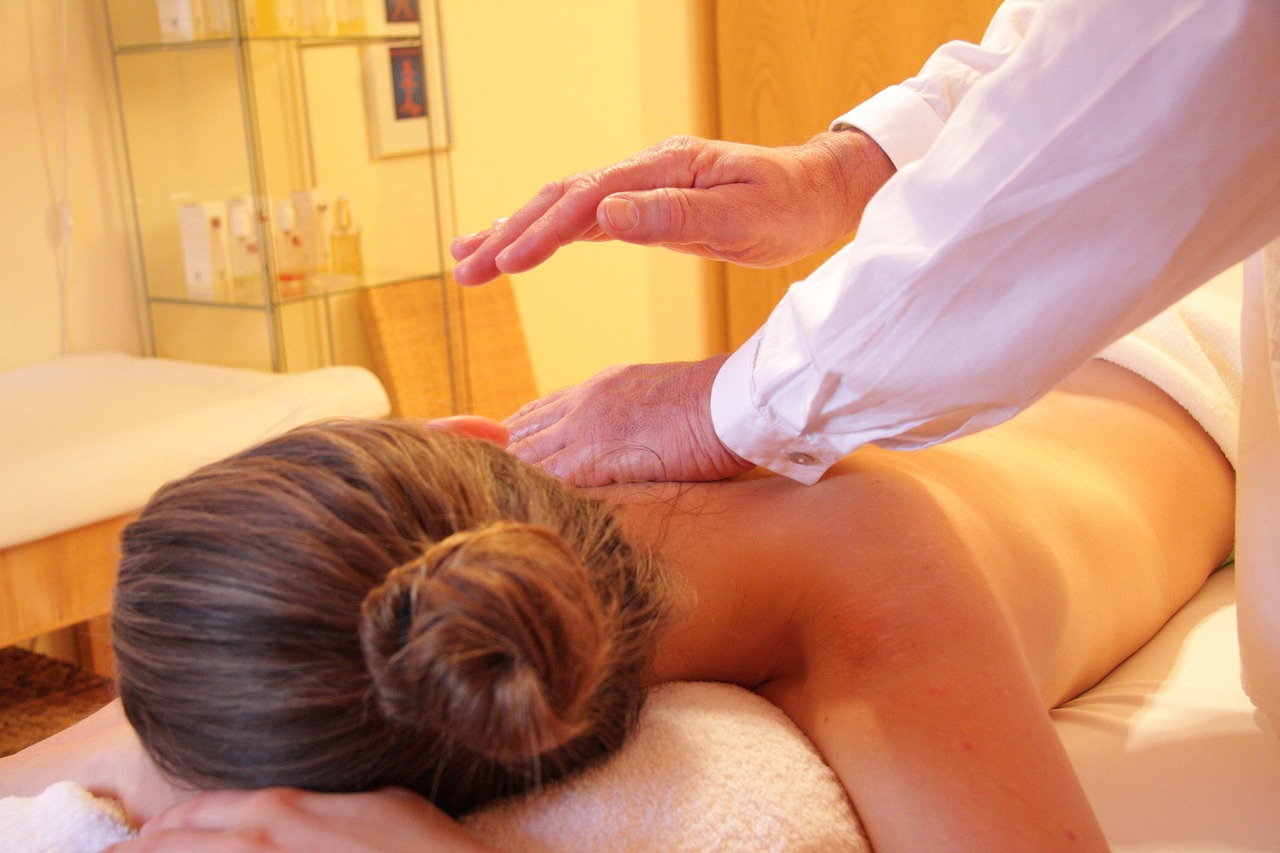
The rise of high-end wellness boutiques and exclusive health programs has painted a picture that optimal health is an elite pursuit. While these services may offer benefits, they often overshadow the simple, yet profound, daily practices that form the bedrock of good health. This economic barrier contributes to health disparities, leaving vast segments of the population feeling excluded from the wellness movement. We’re bombarded with images of perfect bodies and serene minds achieved through costly means, leading to a dangerous misconception: if it’s not expensive, it’s not effective.
This narrative needs to change. America faces escalating health crises—from chronic diseases to widespread mental health challenges—that demand universal solutions, not niche ones. The answer lies not in more spending, but in a profound return to the basics: the foundational wellness habits that are inherently democratic and available to all.
Pillars of Foundational Wellness: Accessible Habits for Everyone
True wellness isn’t about a product; it’s about a process—a consistent engagement with habits that nurture mind, body, and spirit. These practices require discipline and intention, but zero dollars. Embracing these core areas can transform individual and community health.
Movement & Nature’s Gym
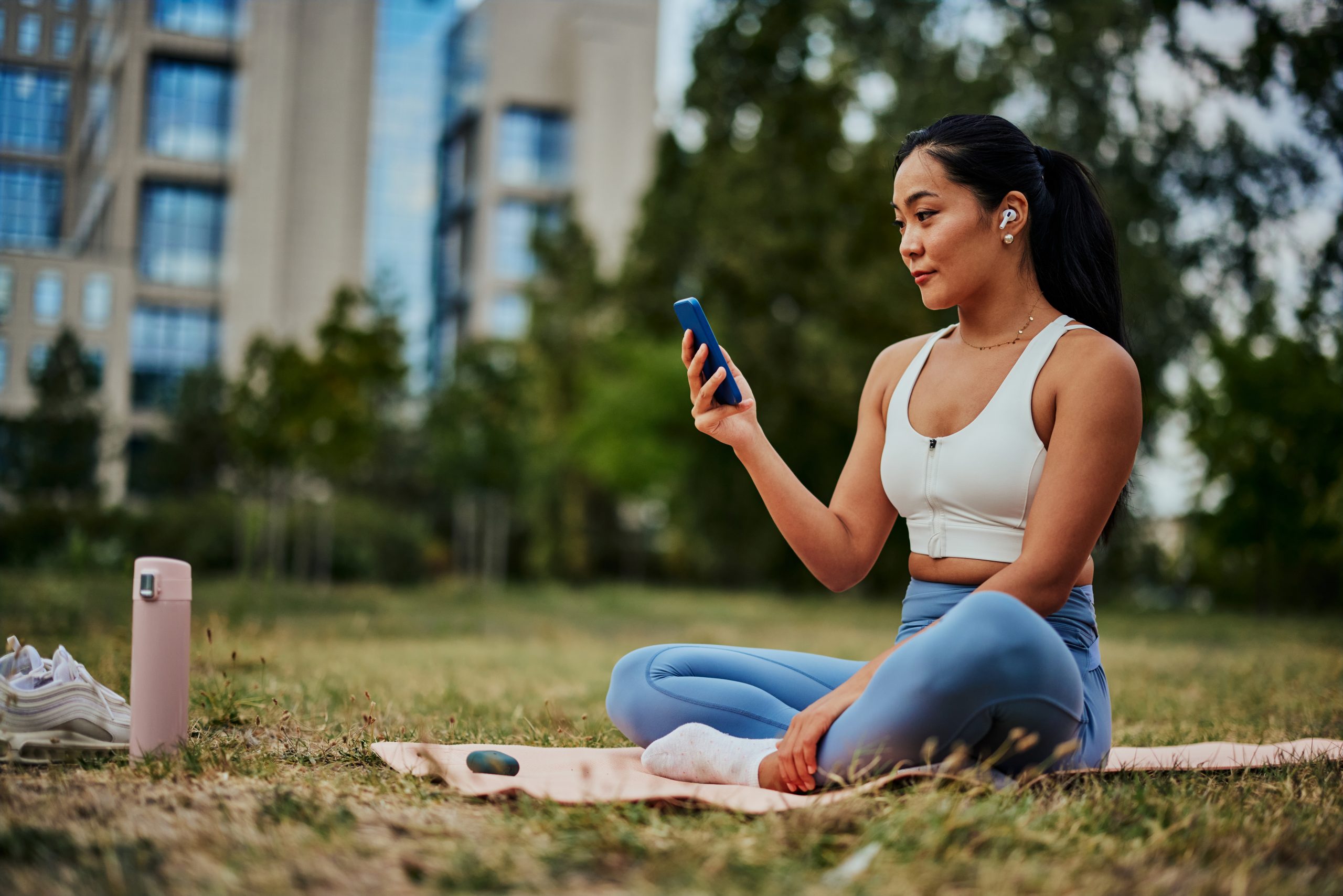
Forget the fancy gym equipment. Your body and the great outdoors are your best fitness tools. Regular physical activity is a cornerstone of a healthy life, improving cardiovascular health, mood, sleep, and cognitive function.
- Walking: A brisk walk daily can dramatically improve physical and mental health. Explore your neighborhood, a local park, or even just walk around your home.
- Bodyweight Exercises: Push-ups, squats, lunges, planks – these can be done anywhere, anytime, building strength and endurance without a single piece of equipment.
- Stretching & Mobility: Simple stretches improve flexibility, reduce muscle soreness, and prevent injuries. Look up free yoga or stretching routines online.
- Spending Time Outdoors: Exposure to natural light boosts vitamin D, improves mood, and can reduce stress. A walk in the park or simply sitting in your yard contributes to this vital foundational wellness habit.
Nourishment & Hydration Basics
Eating well doesn’t require gourmet ingredients or expensive organic labels. It’s about making conscious choices with what’s available and affordable.
- Whole, Unprocessed Foods: Focus on fruits, vegetables, whole grains, and lean proteins. These are often more affordable and nutrient-dense than highly processed alternatives. Cooking at home from scratch also saves money and offers control over ingredients.
- Water, Water, Water: The simplest and most vital fluid for your body. Stay adequately hydrated throughout the day. Tap water is typically free and safe in most areas.
- Mindful Eating: Pay attention to your body’s hunger and fullness cues. Slow down, savor your meals, and avoid distracted eating.
Mindful Moments & Mental Resilience
Mental well-being is as crucial as physical health. Free practices can significantly reduce stress, improve focus, and foster emotional balance.
- Deep Breathing Exercises: Simple techniques like diaphragmatic breathing can calm the nervous system instantly, reducing anxiety and promoting relaxation.
- Meditation & Mindfulness: Even 5-10 minutes of quiet reflection or focused breathing can train your mind, improve concentration, and reduce stress. Numerous free apps and guided meditations are available online. This is a powerful foundational wellness habit.
- Gratitude Practice: Regularly acknowledging what you’re grateful for can shift your perspective, boost mood, and foster a more positive outlook on life.
- Digital Detox: Consciously setting aside time away from screens and social media can reduce mental clutter and improve sleep.
The Power of Sleep
Sleep is not a luxury; it’s a non-negotiable biological necessity. It’s when your body repairs itself, consolidates memories, and processes emotions.
- Consistent Sleep Schedule: Going to bed and waking up at the same time each day, even on weekends, helps regulate your body’s internal clock.
- Optimized Sleep Environment: Ensure your bedroom is dark, quiet, and cool. Remove electronics that emit blue light.
- Pre-Sleep Routine: Wind down with relaxing activities like reading, a warm bath, or light stretching instead of screen time.
Connection & Community
Humans are social creatures. Strong social connections are profoundly linked to longevity, mental health, and overall happiness.
- Nurture Relationships: Invest time in genuine conversations with friends, family, and neighbors.
- Community Engagement: Volunteer your time, join a local club, or participate in community events. Contributing to something larger than yourself fosters a sense of purpose and belonging. This is another vital foundational wellness habit that costs nothing but yields immense returns.
- Acts of Kindness: Helping others not only benefits them but also boosts your own mood and well-being.
Why America Needs These Habits Right Now
The urgency for embracing these Free & Foundational Wellness Habits America Needs is undeniable. Our healthcare system is strained, chronic diseases are rampant, and mental health struggles are on the rise. By shifting focus from reactive treatment to proactive prevention through accessible habits, we can:
- Improve Public Health: Empower individuals to take ownership of their health, reducing the burden on healthcare systems.
- Foster Equity: Ensure that wellness is not a privilege, but an inherent right accessible to people of all socio-economic backgrounds.
- Build Resilience: Equip individuals and communities with the tools to navigate stress, illness, and change with greater strength.
- Enhance Quality of Life: Promote a society where vitality, joy, and peace are more widely experienced.
Making Foundational Wellness a Reality
Embracing these habits requires a cultural shift, moving away from quick fixes and towards sustained, simple efforts. It starts with individual commitment but thrives with community support.
- Personal Commitment: Start small. Pick one or two habits to focus on each month. Consistency is more important than intensity.
- Community Initiatives: Local governments and non-profits can promote public parks, walking trails, community gardens, and free wellness workshops.
- Education: Schools and workplaces can integrate basic wellness education, emphasizing these fundamental, no-cost practices.
- Shifting Perceptions: Celebrate simplicity. Highlight stories of individuals thriving through basic wellness practices, rather than expensive ones.
Conclusion: The True Wealth of Health
The journey to lasting health and well-being doesn’t have to break the bank. In fact, some of the most profound and impactful changes come from the simplest, most accessible practices. By returning to the core foundational wellness habits of movement, proper nourishment, mindful living, quality sleep, and genuine human connection, America can build a healthier, more resilient future for everyone.
It’s time to look beyond the boutique and discover the invaluable wealth of wellness that lies within our reach, free for the taking. Embrace these habits, and watch as your life, and the health of our nation, transforms.