
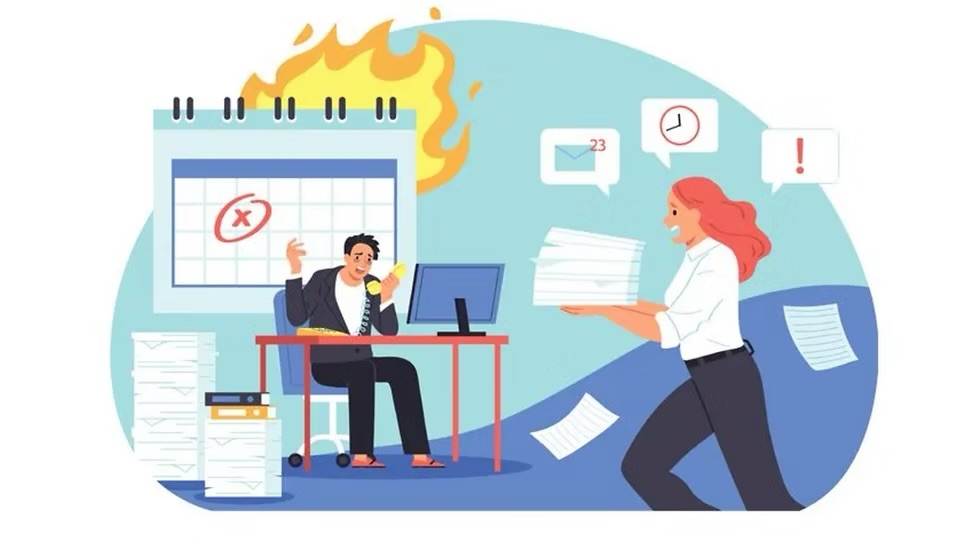
In our hyper-connected world, the lines between work and personal life have blurred, often to the point of vanishing. With smartphones tethered to our hands and notifications buzzing incessantly, many of us feel perpetually “on call.” This constant connectivity, while offering convenience, has a significant downside: it erodes our boundaries, drains our energy, and makes it incredibly difficult to truly disconnect and recharge. If you find yourself caught in the relentless grip of the 24/7 connectivity grind, it’s time to take back control. This guide offers practical steps to help you reclaim your well-being, establish healthier habits, and find peace in an always-on world.
The Pervasive Nature of 24/7 Connectivity
From early morning emails to late-night social media scrolls, digital demands have woven themselves into the fabric of our daily lives. The expectation to be instantly reachable, whether for work or social reasons, has created a culture of perpetual availability. This “always on” mentality is often celebrated as productivity, but it frequently masks a deeper issue: a lack of space for rest, reflection, and genuine personal time. The result is a population struggling with a constant sense of urgency and an inability to truly switch off.
The Hidden Costs of Constant Connectivity
While technology offers undeniable benefits, its overuse carries a heavy price tag for our mental and physical health. The constant stream of information and alerts keeps our brains in a perpetual state of readiness, making relaxation difficult. This leads to a range of issues that impact our overall quality of life.
- Burnout and Chronic Stress: Feeling pressured to respond immediately to every message or email can lead to chronic stress and emotional exhaustion.
- Sleep Disruption: Exposure to blue light from screens before bedtime interferes with melatonin production, making it harder to fall asleep and achieve restorative rest.
- Reduced Focus and Productivity: Constant interruptions from notifications fragment our attention, diminishing our ability to concentrate on deep work or meaningful conversations.
- Strained Relationships: Prioritizing digital interactions over in-person connections can lead to feelings of disconnect and resentment in personal relationships.
- Increased Anxiety and Depression: The pressure to maintain a perfect online persona, coupled with comparison to others, can fuel feelings of inadequacy and loneliness.
Recognizing the Need to Reclaim Your Well-Being
Before you can implement solutions, it’s crucial to acknowledge the problem. Many of us are so accustomed to the constant connectivity that we don’t realize how deeply it’s impacting us. Recognizing the signs is the first step towards change and the journey to reclaim your well-being.
Are You “Always On”? Common Symptoms
Consider if any of these resonate with your daily experience:
- You feel anxious or uneasy without your phone nearby.
- You check your phone immediately upon waking up and before going to sleep.
- You frequently interrupt conversations or activities to check notifications.
- You struggle to relax or be fully present without a screen.
- You feel guilty taking breaks from work communication.
- Your sleep quality has deteriorated.
- You experience headaches, eye strain, or neck pain regularly.
- You constantly compare your life to curated online versions of others’ lives.
If these symptoms sound familiar, you’re not alone, and it’s a clear signal that it’s time to proactively manage your digital consumption.
Strategic Steps to Reclaim Your Well-Being
Taking control of your digital life doesn’t mean abandoning technology entirely. It’s about creating a healthier, more intentional relationship with it. Here are actionable strategies to help you reclaim your well-being.
Establish Clear Digital Boundaries
One of the most powerful ways to reclaim your well-being is by setting firm limits on when and where technology is allowed to intrude. Think of these as personal “tech-free zones.”
- Designated “Off” Hours: Set specific times when you will not check work emails or social media, such as after 7 PM or before 9 AM.
- Tech-Free Zones: Declare certain areas of your home (e.g., the bedroom, dining table) as phone-free sanctuaries.
- Notification Management: Turn off non-essential notifications. Most apps don’t need to alert you constantly. Use “Do Not Disturb” modes during focused work or family time.
- Weekend Unplugging: Try dedicating one day a weekend, or at least a significant portion of it, to being completely offline.
Practice Mindful Digital Consumption
Rather than passively consuming content, become an active, intentional user of technology.
- Curate Your Feeds: Unfollow accounts that trigger negative emotions or excessive comparison. Follow those that inspire, educate, or entertain positively.
- Limit Screen Time: Use your phone’s built-in screen time trackers or third-party apps to monitor usage and set daily limits for specific apps.
- Single-Tasking: When you’re online, focus on one task at a time. Avoid simultaneously browsing social media while attending to work or other duties.
- Question Your Intent: Before picking up your phone, ask yourself: “Why am I doing this? Is it truly necessary or am I just avoiding something?”
Prioritize Real-World Connections and Activities
Balance your digital life with enriching offline experiences. This helps ground you and reminds you of the joy beyond the screen.
- Engage in Hobbies: Rediscover old passions or start new ones that don’t involve screens, like reading, gardening, painting, or playing an instrument.
- Spend Time in Nature: A walk in a park, a hike, or simply sitting outdoors can be incredibly restorative for your mind and body.
- Cultivate In-Person Relationships: Make time for face-to-face interactions with friends and family. Put your phone away during these moments.
- Practice Mindfulness: Incorporate meditation, yoga, or simple breathing exercises into your routine to enhance present moment awareness.
Implement Regular Digital Detoxes
Just as your body needs rest, your mind benefits from periodic breaks from digital stimulation.
- Mini-Detoxes: Try a few hours without your phone, or a “no screens after dinner” rule.
- Weekend Unplug: Dedicate an entire weekend to being offline. Inform friends and family beforehand.
- Vacation Disconnect: When on vacation, commit to checking emails only once a day (if absolutely necessary) and minimizing social media.
Master the Art of Saying “No”
Part of being “on call” comes from a difficulty in saying no to digital demands. Learn to decline requests that fall outside your established boundaries, whether it’s a late-night work email or an unnecessary group chat. Your time and energy are finite, and protecting them is crucial for your well-being.
Building a Sustainable Path to Digital Well-Being
Reclaiming your well-being from the constant connectivity grind is not a one-time fix; it’s an ongoing journey. There will be days you slip, but the key is to be consistent and compassionate with yourself. This continuous process to reclaim your well-being involves adapting your strategies as your needs evolve.
Involve Your Workplace and Family
For work-related “on call” issues, communicate your boundaries clearly to your colleagues and supervisors. Advocate for a culture that respects personal time. Similarly, involve your family in creating tech-free rules at home; lead by example.
Track Your Progress and Adjust
Pay attention to how you feel as you implement these changes. Are you sleeping better? Feeling less anxious? More present? Adjust your strategies as needed. What works for one person might need tweaking for another. The goal is to find a balance that supports your unique needs and helps you thrive.
Breaking free from the 24/7 connectivity grind requires conscious effort and consistency, but the rewards are profound. By setting boundaries, being mindful of your digital consumption, and prioritizing real-world experiences, it is absolutely possible to reclaim your well-being. Start small, be patient, and celebrate every step you take towards a more balanced, fulfilling life where you are truly in control of your time and attention. You can truly reclaim your well-being from the relentless grip of constant connectivity.