Introduction
A desk job often means long hours of sitting, which can take a toll on your health. Studies have linked prolonged sitting with increased risks of obesity, heart disease, diabetes, and even certain cancers. But staying active during your workday does not require a gym membership or major lifestyle overhaul. With some simple, science-backed strategies, you can improve your health and energy levels right at your desk. This guide shares practical workplace fitness tips to help you reduce sitting health risks and stay active at your desk.
The Health Risks of Prolonged Sitting
According to the Centers for Disease Control and Prevention (CDC), adults should move more and sit less throughout the day. Prolonged sitting slows down metabolism, reduces circulation, and increases the likelihood of weight gain and cardiovascular issues. The term “sitting disease” has been coined by health professionals to highlight the dangers of a sedentary lifestyle. The good news is that even small bursts of activity during your workday can counteract these risks.
7 Ways to Stay Active During Your Workday
1. Take Short Movement Breaks Every Hour
Set a reminder to stand up and move at least once every 60 minutes. Walk around your office, stretch, or simply stand and do light calf raises or shoulder rolls. Research shows that even one to two minutes of light activity can help improve blood flow and reduce the negative effects of sitting.
2. Try Desk Stretches
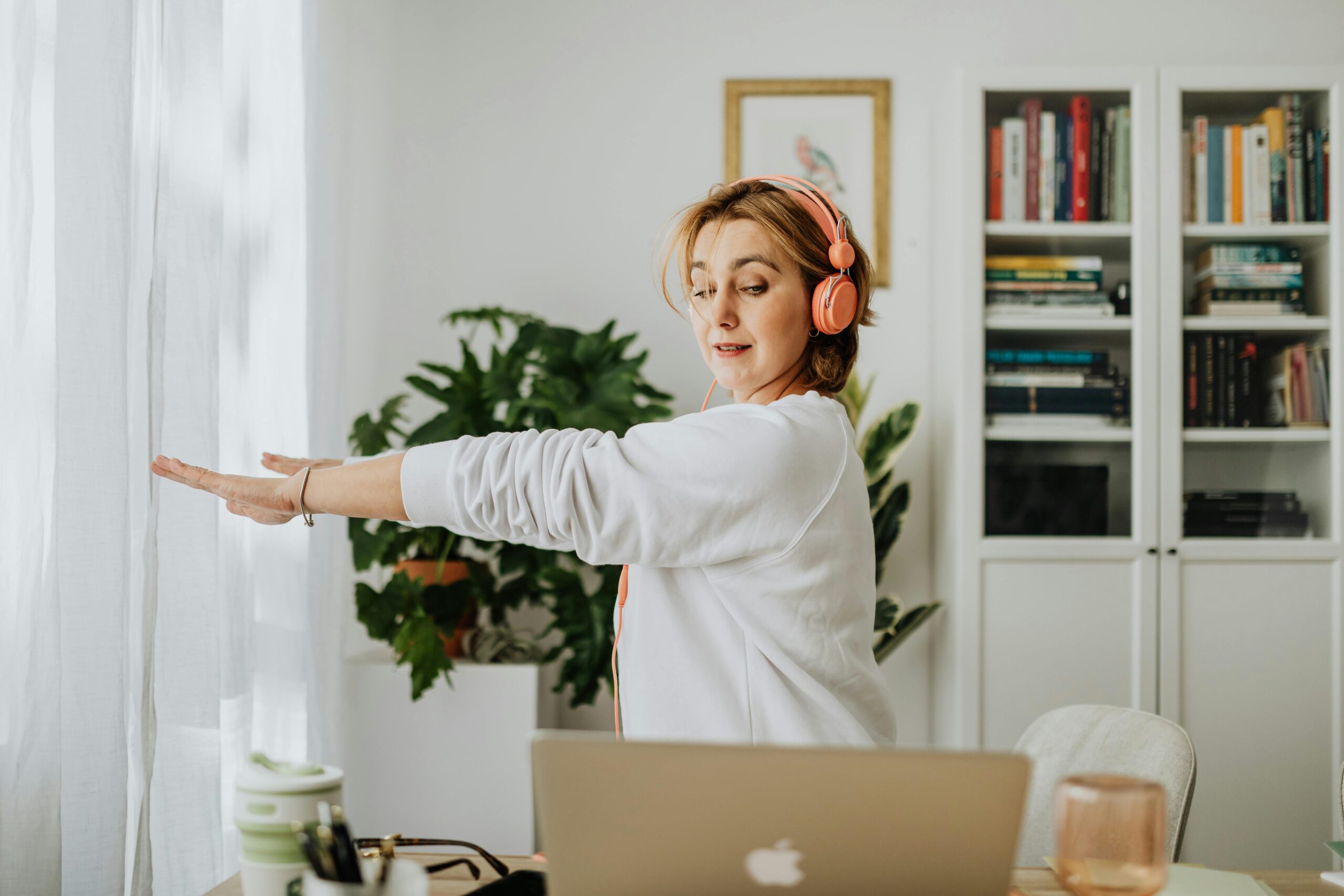
Simple stretches at your desk can relieve muscle tension and improve posture. Focus on areas that tend to tighten during long sitting periods, such as your neck, shoulders, back, and hips. A few effective options include seated spinal twists, overhead arm stretches, and neck side bends.
3. Use a Standing Desk or Adjustable Workstation
If possible, switch between sitting and standing throughout the day using a standing desk or a desk converter. Alternating between positions helps activate muscles that would otherwise remain idle. Studies have found that standing for part of the day can reduce back pain and improve mood.
4. Walk During Phone Calls and Meetings
Instead of staying seated during calls, use the opportunity to move. If you work remotely, pace around your room. If you’re in the office, consider walking meetings or using a private space to move while on a call. This habit can significantly increase your daily step count without affecting productivity.
5. Take the Stairs
Whenever you can, choose stairs over elevators or escalators. Climbing stairs is a quick way to get your heart rate up and strengthen leg muscles. Even a few flights a day add up over time and contribute to your overall fitness.
6. Practice Seated Core Engagement
Engage your core muscles while seated by sitting upright and gently drawing your belly button toward your spine. Hold for several seconds and release. Repeat this throughout the day to strengthen your core without leaving your chair.
7. Set Activity Goals and Track Progress
Using a fitness tracker or phone app can help you monitor your daily steps and movement. Aim for at least 7,000 to 10,000 steps per day, including both work and personal time. Setting small, achievable activity goals keeps you motivated and helps create lasting habits.
The Science-Backed Benefits of Staying Active at Work
Incorporating movement into your workday offers a range of health benefits:
Improved circulation and reduced risk of blood clots
Better posture and reduced back and neck pain
Enhanced focus and productivity
Lower risk of chronic diseases such as diabetes and heart disease
Boosted mood and reduced stress levels
These small actions add up, helping you combat the health risks associated with desk jobs.
Final Thoughts
Desk jobs are a reality for many Americans, but they don’t have to mean a sedentary lifestyle. By applying these workplace fitness tips, you can stay active at your desk, improve your health, and feel more energized throughout the day. Small, consistent changes are the key to long-term benefits. Start with one or two strategies and build from there. Your body will thank you.