
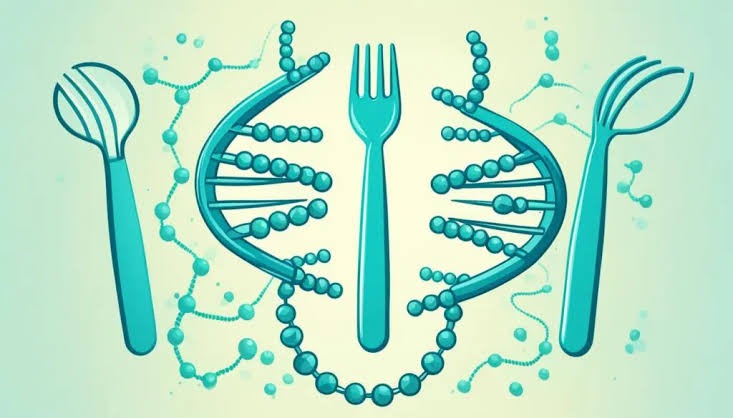
In recent years, personalized nutrition has gained momentum, transforming how individuals approach diet plans in the USA. The key driver of this trend is the increasing use of genetic testing to create tailored nutrition plans. By understanding one’s unique genetic makeup, individuals can make healthier food choices, optimize wellness, and potentially prevent common lifestyle-related diseases.
Understanding Personalized Nutrition
Personalized nutrition is an innovative approach that uses insights from an individual’s genetic data to customize dietary recommendations. Unlike one-size-fits-all diet plans, personalized nutrition recognizes that each person has unique genetic markers influencing metabolic rates, nutrient absorption, and food sensitivities.
How Genetic Testing Works
DNA testing kits have become widely accessible, allowing people to collect samples from the comfort of their homes. These samples are then analyzed to determine genetic variations affecting dietary needs. For example, some people may have genes that predispose them to lactose intolerance, while others might process caffeine differently.
The Benefits of Personalized Nutrition
- Healthier Food Choices: By understanding genetic predispositions, individuals can select foods that align with their body’s needs, leading to better overall health.
- Optimized Wellness: Personalized nutrition plans aim to boost energy levels, support weight management, and improve metabolic health.
- Prevention of Lifestyle-Related Diseases: Tailored diets can help reduce the risk of conditions such as diabetes, heart disease, and obesity by addressing genetic risk factors.
Scientific Backing of Personalized Nutrition
The scientific community has increasingly supported the benefits of personalized nutrition. Studies indicate that when dietary recommendations are aligned with genetic insights, individuals achieve better health outcomes. This connection between genetics and nutrition is known as nutrigenomics, a rapidly evolving field providing a crucial scientific basis for personalized diet plans.
Real-Life Success Stories
Real-life applications of personalized nutrition in the USA have shown impressive results. For example, many individuals have reported achieving more sustainable weight loss, improved digestive health, and enhanced energy levels by following genetically-informed diets. These success stories highlight the transformative potential of tailored nutrition plans.
Accessibility and Ethical Considerations
As personalized nutrition grows in popularity, it is essential to consider both accessibility and ethics:
- Accessibility: While DNA testing kits are becoming more affordable, not everyone has easy access to these tools. Efforts are needed to ensure equitable access to personalized nutrition technology.
- Ethical Considerations: Privacy and data security are significant concerns, as genetic information is sensitive. It’s crucial that companies handling this data adhere to stringent privacy regulations.
The Future of Personalized Nutrition in the USA
The future looks promising for personalized nutrition, with technology advancing rapidly. As more research sheds light on the interaction between genes and diet, personalized nutrition will likely become more refined and widespread. This evolution promises to enhance how individuals manage their health and wellness.