In our increasingly busy lives, we often focus on two primary spheres: home (our first place of rest and intimacy) and work (our second place of productivity and duty). While these are undeniably vital, there’s a third, often overlooked, dimension crucial for our holistic well-being: the “Third Place.” This concept, popularized by sociologist Ray Oldenburg, refers to public spaces where people can gather, interact, and relax outside of their home and work environments. Neglecting this crucial aspect of our social fabric can have profound impacts on our mental, social, and even physical health. This post delves into what exactly a “Third Place” is, why it’s so vital, and how you can embark on the journey of rediscovering your own “Third Place” for unparalleled well-being.
The Unseen Pillars of Well-being: Rediscovering Your “Third Place” for Health
What Exactly Is a “Third Place”?
Coined by urban sociologist Ray Oldenburg in his 1989 book, “The Great Good Place,” the “Third Place” is a foundational element of a thriving community and a fulfilling individual life. It’s an informal public gathering spot that fosters a sense of community and belonging, distinct from the confines of your home or the demands of your job. Think of it as a neutral ground where conversation is the main activity, and a relaxed atmosphere prevails.
Oldenburg identified several key characteristics of an ideal “Third Place”:
- Neutral Ground: No one is truly “in charge.” It’s open to all, regardless of status.
- Leveller: Social and economic differences are minimized; everyone is treated as an equal.
- Conversation is Main Activity: It’s a place for chitchat, debate, and the exchange of ideas.
- Accessibility and Accommodation: Easy to get to, with ample space for people to gather and stay a while.
- The Regulars: A core group of people who frequent the place, adding to its character and sense of community.
- Low Profile: Often unassuming, without a commercial imperative to maximize profit from its patrons’ lingering.
- Playful Mood: Lightheartedness and good humor often pervade the atmosphere.
- A Home Away from Home: It offers comfort and a sense of belonging without the responsibilities of home life.
Examples might include coffee shops, community centers, barbershops, libraries, parks, pubs, or even certain gyms. The key isn’t the specific type of venue, but the function it serves in providing an accessible, informal, and social haven.
Why Your “Third Place” Is Crucial for Holistic Health
The significance of a “Third Place” for holistic health cannot be overstated. It acts as a vital counterpoint to the stresses of modern life, offering unique benefits that contribute significantly to our overall well-being.
Enhancing Mental and Emotional Well-being
In a world grappling with rising rates of loneliness and anxiety, a “Third Place” offers a crucial antidote. It provides a low-pressure environment for spontaneous social interaction, which is a powerful buffer against isolation. Simply being around others, even without deep conversation, can reduce feelings of loneliness and boost mood. These spaces also offer a break from the mental strain of work or the emotional demands of home, allowing for decompression and mental rejuvenation. They can spark creativity, offer new perspectives, and simply provide a change of scenery that refreshes the mind.
Fostering Social Connection and Community
Human beings are inherently social creatures, and our need for connection extends beyond family and close friends. “Third Places” facilitate the development of weak ties – acquaintances and casual social contacts – which are surprisingly important for our well-being. These connections expose us to diverse viewpoints, broaden our social networks, and provide a sense of belonging to something larger than ourselves. A strong community, built on such informal interactions, enhances social capital and resilience, making it easier to navigate life’s challenges.
Indirect Benefits for Physical Health
While not directly a gym or a health clinic, a thriving “Third Place” contributes to physical health indirectly. Reduced stress and improved mental well-being can lead to better sleep, healthier eating habits, and a stronger immune system. Furthermore, engaging with a “Third Place” might involve physical activity, such as walking to a local park or cycling to a community garden. The overall feeling of contentment and belonging reduces chronic stress, which is a known contributor to numerous physical ailments.
The Modern-Day Challenge: Why “Third Places” Are Fading
Despite their profound importance, the concept of the “Third Place” faces significant challenges in contemporary society. Urban sprawl, increased reliance on digital communication, and the commercialization of public spaces have eroded many traditional gathering spots.
- Digital Isolation: Social media and online entertainment, while offering connection, can inadvertently reduce face-to-face interactions, making us less likely to seek out physical social hubs.
- Suburbanization and Car Culture: The design of many modern communities prioritizes private transport and large, isolated homes, making walkability and spontaneous encounters less common.
- Commercialization: Many places that could serve as “Third Places” are increasingly focused on maximizing customer turnover, discouraging lingering and casual conversation unless it generates revenue.
- Economic Pressures: Long working hours and financial constraints leave less time and disposable income for leisure in public spaces.
- Safety Concerns: Perceived or actual safety issues can deter people from utilizing public spaces.
The impact of lacking a vibrant “Third Place” can be seen in rising rates of loneliness, decreased civic engagement, and a general decline in community cohesion. This makes rediscovering and nurturing these spaces more critical than ever for our collective and individual health.
Rediscovering Your “Third Place”: A Practical Guide
The good news is that “Third Places” still exist, and with intentional effort, you can find or even cultivate your own. It’s about shifting your perspective and actively seeking out opportunities for informal connection.
Where to Look: Common Examples
- Coffee Shops & Cafes: Look for independent, locally-owned spots that aren’t overly busy and welcome lingering.
- Libraries: Excellent neutral ground, often with comfortable seating and community events.
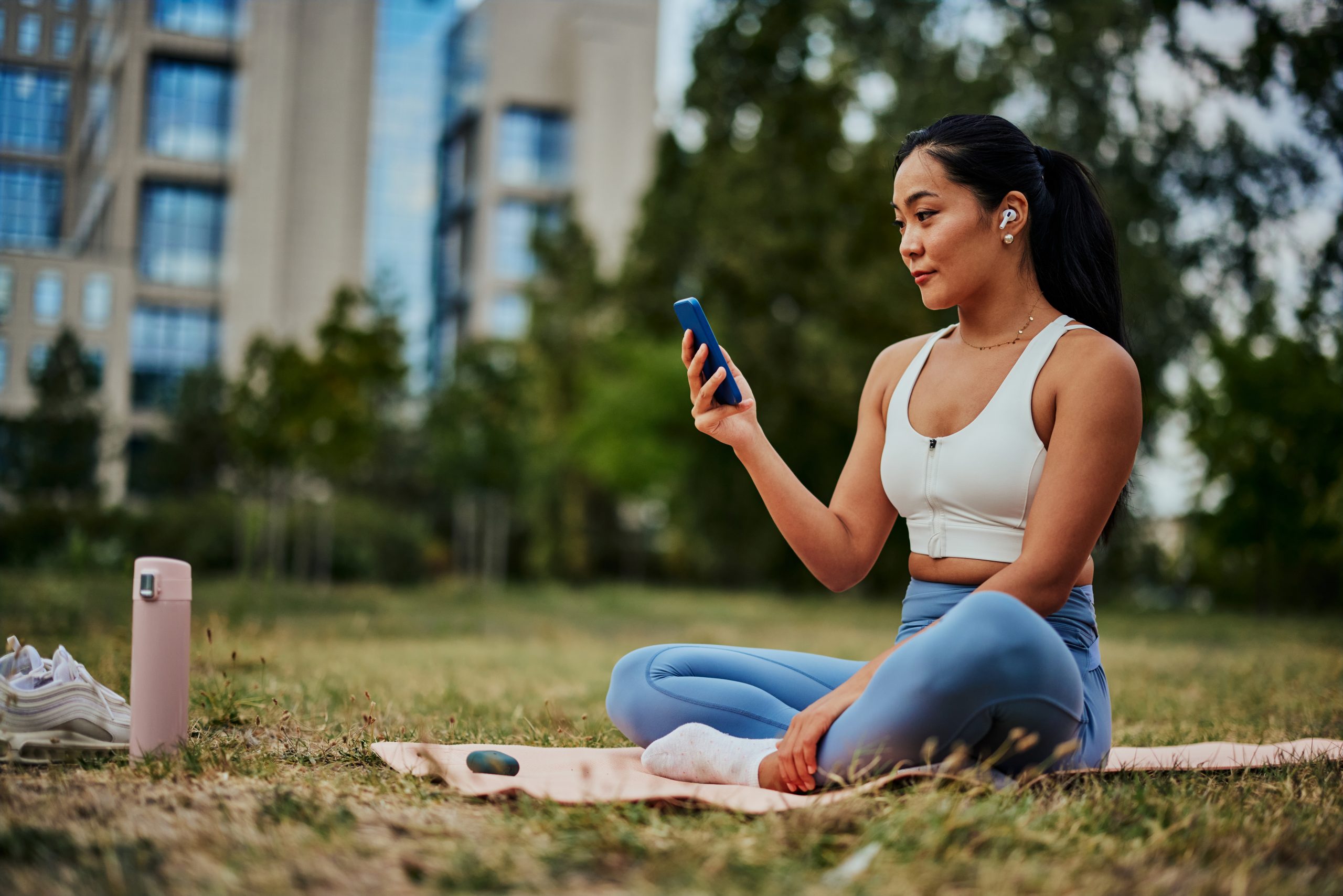
- Parks & Public Squares: Ideal for casual observation and spontaneous interaction, especially if they have benches or community activities.
- Community Centers & Gardens: Often host classes, events, or shared spaces that encourage interaction.
- Local Gyms or Recreation Centers: Not just for exercise, but for social interaction before or after workouts.
- Hobby Groups & Clubs: Book clubs, knitting circles, running clubs, volunteer groups.
- Independent Bookstores: Often have reading nooks and host author events.
- Religious Institutions: For many, these serve as traditional “Third Places,” offering community and support.
Tips for Identification and Engagement
- Observe and Explore: Take walks in your neighborhood. What places seem to naturally draw people who linger?
- Prioritize Comfort Over Consumption: A true “Third Place” doesn’t demand constant spending. It should feel welcoming even if you’re just enjoying a single drink or reading.
- Seek Regularity: Visiting the same spot at similar times increases your chances of seeing familiar faces and building rapport.
- Be Open to Connection: A friendly nod, a smile, or a brief conversation can be the start of a casual connection. You don’t need to make best friends; a simple sense of familiarity is enough.
- Participate if Possible: If the space offers events or communal activities, consider joining in.
- Digital Detox: Resist the urge to constantly check your phone. Be present in the moment and open to your surroundings.
The journey of rediscovering your “Third Place” is an investment in your personal well-being and the health of your community. It requires a willingness to step outside your usual routine and embrace the beauty of informal social spaces.
Making the Most of Your “Third Place”
Once you’ve identified a potential “Third Place,” the key is consistent engagement. Regular visits allow you to become one of “the regulars,” fostering a sense of ownership and familiarity. It’s not about forcing conversations, but about being present and open to organic interactions. Over time, you’ll find yourself recognizing faces, exchanging pleasantries, and perhaps even engaging in deeper discussions. This regular engagement with your “Third Place” acts as a powerful, yet subtle, booster for your daily mood and overall resilience.
The beauty of a “Third Place” lies in its unassuming nature and its profound impact. It’s a space where you can simply exist, observe, connect, and recharge, away from the pressures of home and work. In our quest for well-being, let us not forget these vital unseen pillars that uphold our social and individual health.